Whether you go to the pool several times a week or just once a month, regular visits mean you should pay attention to your hair and skin. Everyone knows that chlorine is used to disinfect pool water - you can smell it the moment you step into the changing room - so we have put together a few tips on how to deal with this chemical.
What exactly does chlorine do to our hair?
Chlorine strips the hair of its natural oils, which protect it from damage. As a result of exposure to chlorinated water, hair becomes weaker, more prone to breakage, and dries out. Very light hair can even take on a greenish tint. Chlorine can also irritate the scalp, increasing the likelihood of dandruff.
So what can you do about it?
Before every visit to the pool, it is a good idea to thoroughly wet your hair, because once the hair absorbs enough clean water, it will take in less chlorinated water. A
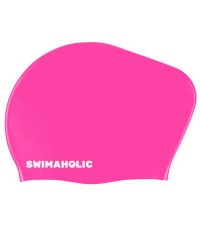
swim cap is often mistakenly seen as protection, but it does not significantly protect the hair from the effects of chlorinated water.
How should you care for your hair after swimming?
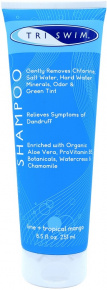
As soon as you get out of the pool, the best thing you can do for your hair is to rinse it thoroughly with clean water as quickly as possible. You can also use a mild shampoo or a special swimmers' shampoo, which we offer
here. Shampoo helps remove any remaining chlorine from the hair.
A moisturizing conditioner is another helpful product. It restores lost moisture to the hair and makes it easier to detangle. It is best to dry your hair with a towel and avoid blow-drying it, because hot air dries the hair out unnaturally fast.
It is not just about hair
But chlorine can damage not only the hair - it can also affect the skin, not only on the scalp but also on the face. If you have sensitive skin, you can massage a thin layer of petroleum jelly into your eyebrows, eyelids, and lips. It creates a light protective film on the skin and helps prevent chlorinated water from penetrating deeper into it.
After every swim, the best way to care for your skin is to apply a moisturizer.
In conclusion
Before entering the pool, wet your hair with clean water; you can also wear a swim cap. After training, wash your hair thoroughly again, ideally with shampoo or conditioner, and do not forget to dry it well with a towel. Avoid frequent blow-drying, and during the winter months make sure to keep your head warm under a hat.